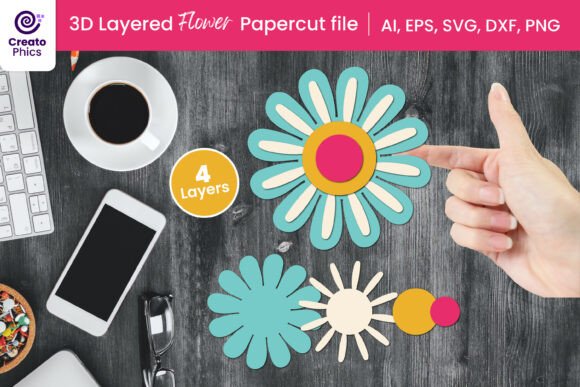
Enhancing Craft Projects with 3D Layered Floral Paper Designs
In the evolving landscape of digital crafting, the demand for assets that bridge the gap between technical precision and artistic expression has never been higher. Among the various tools available to modern creators, 3D layered floral paper designs have emerged as a significant resource for those seeking to add depth and sophistication to their physical projects. These digital files are not merely static images; they are engineered templates designed to be cut, assembled, and displayed, transforming flat materials into dimensional art. For professionals and hobbyists alike, understanding the utility and application of these files is essential for maximizing creative output.
The Mechanics of Digital Papercutting
At its core, a 3D layered floral design is a multi-component digital file system. Unlike traditional single-layer stencils, these designs consist of several distinct layers that, when stacked, create a shadow-box effect. This technique mimics the intricate look of hand-cut silhouettes but achieves it through the precision of computer-controlled cutting machines. The primary value proposition here is efficiency without sacrificing aesthetic complexity. A creator can produce a piece that appears to have taken hours of meticulous hand-cutting in a fraction of the time, provided they have the right digital assets.
The effectiveness of this approach relies heavily on the quality of the source file. A well-constructed floral papercut file will have clean vector paths, appropriate spacing between layers to allow for adhesive application, and logical layering order. When evaluating such resources, it is crucial to consider the file formats provided. Professional-grade packages typically include SVG, AI, EPS, DXF, and PNG formats. This variety ensures compatibility with a wide range of hardware, from consumer-grade Cricut and Silhouette machines to industrial laser cutters used by small businesses.
Practical Applications Across Industries
The versatility of 3D layered floral paper designs extends far beyond casual hobbyism. For entrepreneurs and small business owners, these assets represent a scalable product line. Consider the greeting card industry. A standard flat card is functional, but a card featuring a dimensional flower constructed from multiple paper layers commands a higher perceived value. This allows makers to justify premium pricing while maintaining reasonable production times. The ability to download and instantly utilize these files means that inventory can be created on demand, reducing waste and storage costs.
Similarly, in the realm of interior design and home decor, these files are instrumental in creating custom wall art. Large-scale installations using cardstock or heavier paper stocks can serve as focal points in living spaces, event venues, or retail environments. The modular nature of the design allows for customization in color and scale. A designer might choose monochromatic tones for a minimalist aesthetic or vibrant contrasting colors for a more playful atmosphere. This flexibility makes the asset suitable for a diverse clientele, from wedding planners seeking elegant backdrop elements to educators looking for engaging classroom decorations.
Evaluating File Quality and Usability
When integrating any digital asset into a workflow, consistency and reliability are paramount. A high-quality 3D layered floral paper package should offer more than just the cut files. The inclusion of high-resolution PNG files, typically at 300 DPI, is a critical feature for users who may not have access to cutting machines. These raster images allow for sublimation printing, digital scrapbooking, or use in graphic design software where physical cutting is not required. Each layer being a separate PNG file provides granular control over the design, enabling users to manipulate individual elements for unique compositions.
From a technical standpoint, the dimensions of the files matter. Standardizing designs to common sizes, such as 12 inches by 12 inches, aligns with the most widely available cutting mats and paper stocks. This standardization reduces friction in the production process. Furthermore, the ease of assembly is a key indicator of a well-designed file. If the layers are too complex or the tolerance gaps are insufficient, the final product may look cluttered or fail to adhere properly. The best designs strike a balance between intricate detail and practical constructability, ensuring that even those with moderate crafting experience can achieve professional results.
Target Audience and Strategic Fit
Identifying whether this tool fits your needs requires an honest assessment of your current projects and goals. For DIY enthusiasts, the appeal lies in the accessibility of high-end design. It lowers the barrier to entry for creating complex art, allowing individuals to produce gifts and home decor that reflect a high level of craftsmanship. For professional crafters and marketers, the value is in differentiation. In a saturated market, offering products with dimensional elements can distinguish a brand from competitors who rely solely on flat prints.
Educators and publishers may find these files useful for creating tactile learning materials or illustrative components for educational books. The visual impact of layered paper can help in explaining concepts related to biology, botany, or geometry in an engaging way. However, it is important to note that these files require specific hardware and materials to realize their full potential. Users must be prepared to invest in quality paper stocks, adhesives, and cutting equipment. Without these supporting elements, the digital file remains an unrealized concept.
Long-Term Value and Creative Sustainability
Investing in digital crafting assets should be viewed through the lens of long-term utility. A single 3D layered floral paper design can be reused indefinitely across multiple projects. By altering the color palette, paper texture, or scale, a creator can generate dozens of unique outputs from one source file. This reusability enhances the return on investment, making the initial purchase cost negligible over time. Moreover, the digital nature of the product means there is no physical degradation of the asset itself, ensuring consistent quality for every project.
Furthermore, the community aspect of digital crafting cannot be overlooked. Sharing feedback and results with creators, such as visiting platforms like Creatophics, fosters a cycle of improvement and inspiration. When users engage with the design community, they contribute to the evolution of these tools, encouraging developers to refine their offerings and introduce new features. This collaborative environment benefits everyone, leading to higher quality resources and more innovative applications.
Final Considerations for Implementation
Before committing to a specific design, it is advisable to review the included file types and ensure they match your existing workflow. If you primarily use vector-based software, the presence of AI and EPS files is crucial. If you rely on browser-based cutting software, SVG compatibility is non-negotiable. Additionally, consider the complexity of the design relative to your skill level and available time. While automated cutting simplifies the process, assembly still requires patience and attention to detail.
In conclusion, 3D layered floral paper designs represent a powerful intersection of technology and artistry. They offer a practical solution for adding elegance and depth to a wide array of creative projects. By understanding the technical requirements and potential applications, creators can leverage these assets to enhance their work, streamline their production processes, and deliver higher value to their audiences. Whether for personal enjoyment or commercial enterprise, these tools provide a reliable foundation for sophisticated paper crafting.