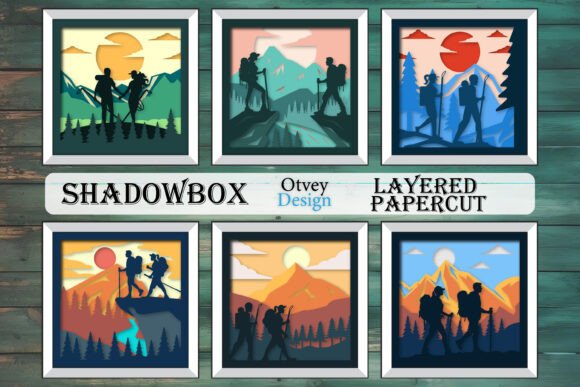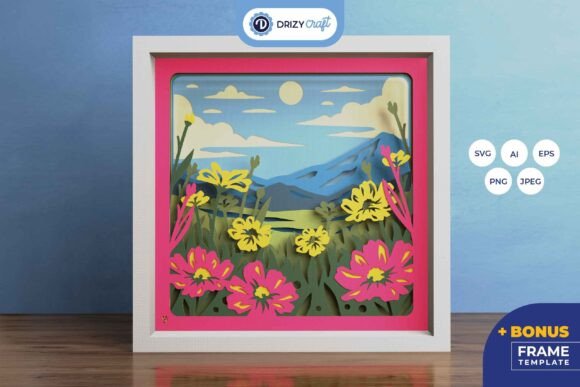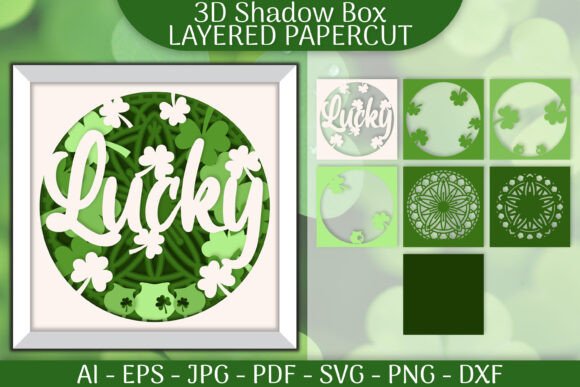
Lucky 3D Shadowbox Layered Papercut
In the evolving landscape of modern typography, designers are constantly seeking assets that bridge the gap between digital precision and tactile warmth. The Lucky 3D Shadowbox Layered Papercut represents a distinct shift away from flat, two-dimensional typefaces toward something more immersive. This is not merely a font in the traditional sense; it is a comprehensive design system built to simulate the intricate art of paper crafting. For creative professionals, understanding how to leverage this specific aesthetic can elevate a project from standard to standout, offering a unique visual language that speaks directly to audiences craving authenticity and depth.
When we discuss this asset, we are talking about a style that mimics the delicate shadows and layered textures of hand-cut paper. Unlike a standard serif font or a clean sans serif font that relies solely on stroke weight and spacing for character, this design utilizes depth. It creates an illusion of physical layers stacked upon one another, casting soft shadows that give the text a tangible presence. This approach is particularly effective in logo design and branding where the goal is to convey craftsmanship, care, and a human touch. It moves beyond the rigid structures of corporate identity into a realm that feels curated and personal.
Visual Personality and Creative Applications
The visual characteristics of the Lucky 3D Shadowbox Layered Papercut are defined by its softness and dimensionality. It avoids the sharp, aggressive edges often found in industrial or tech-focused display fonts. Instead, it offers a gentle, inviting aesthetic that works exceptionally well for brands rooted in wellness, handmade goods, children’s products, and boutique hospitality. The "lucky" aspect of the name suggests positivity and fortune, which translates visually through open counters and balanced proportions that feel optimistic and light.
For those working in editorial design, this style can serve as a powerful header element. Imagine a lifestyle magazine feature on sustainable living or a cookbook highlighting artisanal recipes. Using this layered effect for chapter titles or pull quotes adds a textural richness that complements high-quality photography. It does not compete with the body text; rather, it frames it. However, it is crucial to recognize that this is primarily a decorative asset. It is not a replacement for a highly legible script font or a functional handwritten font used for long-form reading. Its strength lies in impact and atmosphere, not in dense information delivery.
In the realm of packaging design, the appeal is even more pronounced. Consumers often judge the quality of a product by its packaging before they ever touch the item inside. A label that appears to have depth and texture, even when printed on flat stock, can subconsciously signal higher value. By utilizing the various formats provided in the download, designers can create mockups that look like genuine papercut art, helping clients visualize the final product with greater accuracy. This is where the versatility of the file types becomes critical.
Technical Versatility and File Formats
One of the most significant advantages of acquiring the Lucky 3D Shadowbox Layered Papercut package is the breadth of technical support included. Designers often face friction when trying to move assets between different software ecosystems. This collection mitigates that issue by providing a single ZIP file containing AI, PDF, EPS, JPG, PNG, SVG, and DXF formats. Each format serves a specific purpose in a professional workflow, ensuring that whether you are a web developer, a print specialist, or a CNC machine operator, the asset is ready for use.
- AI and EPS: These vector formats are essential for graphic designers using Adobe Illustrator. They allow for infinite scalability without loss of quality, which is vital for large-format printing such as banners or storefront signage.
- SVG: For web design and digital interfaces, SVG is the gold standard. It keeps file sizes small while maintaining crisp edges on any screen resolution, making it ideal for responsive social media graphics and website headers.
- DXF: This format is particularly valuable for makers and industrial designers who use cutting plotters or laser cutters. If you are creating physical invitations or retail displays, the DXF file allows you to send the design directly to fabrication machinery.
- PNG and JPG: These raster images are perfect for quick previews, social media posts, or inclusion in presentations where editing is not required. They offer immediate usability for marketers and content creators who need to deploy visuals rapidly.
- PDF: A universal format that ensures the design looks consistent across different devices and operating systems, useful for client proofs and digital documents.
This diversity in file types transforms the asset from a simple image into a flexible design asset that can adapt to nearly any medium. It supports both digital and physical creation, allowing for a seamless transition from screen to print to fabricator.
Strategic Integration into Brand Identity
Integrating a distinctive style like Lucky 3D Shadowbox Layered Papercut into a brand identity requires thoughtful consideration of font pairing. Because the design is visually complex and textured, it pairs best with minimalist, neutral typefaces. A clean, geometric sans serif font for body copy provides a stable foundation that allows the layered title to shine without creating visual clutter. The contrast between the organic, shadowed layers of the primary display type and the flat, structured secondary type creates a sophisticated visual hierarchy.
Readability remains a key concern. While the 3D effect is engaging, it can reduce legibility at smaller sizes. Therefore, this creative font should be reserved for headlines, logos, and short emphasis points. Using it for paragraphs or fine print would strain the reader’s eye and diminish the professional polish of the design. Testing is essential. Designers should view the type at various scales and on different backgrounds to ensure the shadow effects do not blend into the background color, which would negate the 3D illusion.
From a commercial perspective, using such a specialized commercial font can enhance brand recognition. In a saturated market, consistency in visual tone helps customers remember a brand. If a company consistently uses this warm, crafted aesthetic across its social media graphics, packaging, and website, it builds a cohesive narrative. It signals that the brand values detail and creativity. For entrepreneurs and small business owners, this can be a differentiator that justifies premium pricing, as the perceived value of the brand increases with the quality of its visual presentation.
Ultimately, the decision to use Lucky 3D Shadowbox Layered Papercut should be driven by the emotional response you wish to evoke. It is not a utility player; it is a star performer. It demands space and attention. When used correctly, it adds a layer of sophistication and warmth that flat design simply cannot achieve. For designers looking to expand their toolkit with a premium font solution that offers both aesthetic beauty and technical flexibility, this collection provides a robust foundation for creating memorable, engaging, and professionally polished work. Always remember to review the specific licensing terms included in the download to ensure compliance with your project’s commercial requirements, ensuring that your creative freedom is matched by legal security.