Mastering 3D Flower Market Standing Decor for Digital Crafting Success
The allure of botanical aesthetics has never been more accessible than it is today, thanks to the rise of digital fabrication tools. Among the trending resources for crafters and designers is 3D Flower Market Standing Decor. This specific style captures the vibrant, bustling energy of a floral marketplace, translating organic beauty into structured, layered designs suitable for paper crafting, laser cutting, and vinyl projects. However, because this is a digital product, there is a significant gap between purchasing the file and achieving a professional-looking result. Many enthusiasts stumble not because they lack creativity, but because they misunderstand the technical requirements of working with vector files and layered depth.
It is crucial to clarify immediately that when you acquire this item, you are buying a license to use a digital design, not a physical object. No tangible goods will be shipped to your door. Instead, you receive a compressed zip folder containing one comprehensive design in multiple formats: SVG, DXF, EPS, PDF, JPEG, and PNG. Understanding how to leverage these formats correctly is the first step toward avoiding frustration and wasted materials.
Misunderstanding File Formats and Compatibility
One of the most common pitfalls beginners face is selecting the wrong file format for their specific machine or software. The inclusion of SVG, DXF, and EPS files is intentional, catering to different ecosystems. For instance, users of Cricut Design Space or Silhouette Studio typically require SVG files for the best layer retention and cut accuracy. Conversely, industrial laser cutters often perform better with DXF or EPS files, which handle vector paths differently. A frequent mistake is attempting to use the JPEG or PNG raster images for cutting purposes. While these high-resolution images are excellent for sublimation printing or digital mockups, they lack the vector paths necessary for precise cutting. Using a raster image for a cut project results in jagged edges and requires excessive manual tracing, which defeats the purpose of buying a pre-made digital asset.
To avoid this, always check your machine’s compatibility before unzipping the folder. If you are using a browser-based cutter, stick to the SVG. If you are sending files to a professional print shop or using CAD software, opt for the DXF or EPS. Keeping the original zip file archived is also wise, as it ensures you always have access to every format should your workflow change in the future.
Overlooking Scale and Proportion in Standing Designs
The term "Standing Decor" implies a three-dimensional structure that relies on balance and proportion. A critical error many creators make is resizing the 3D Flower Market Standing Decor without adjusting the thickness of the connecting tabs or support structures. When you scale a vector design down significantly, the tabs that hold the layers together may become too thin to survive the cutting process or too weak to support the weight of the paper. Conversely, scaling up too much can make the design look sparse and fragile if the material weight isn't increased accordingly.
Before cutting your final material, always perform a test cut using cardstock or scrap paper. Check if the interlocking parts fit snugly. If the design feels flimsy, consider reinforcing the back with a heavier base layer or adjusting the scale to ensure structural integrity. This simple step prevents the disappointment of a collapsed centerpiece after hours of assembly.
Neglecting Material Selection and Layer Depth
The visual impact of this design relies heavily on shadow and depth. A common oversight is using uniform paper weight and color for all layers. To truly capture the essence of a flower market, variation is key. Using identical shades of green for every leaf flattens the design, removing the illusion of depth. Similarly, using paper that is too thin will cause the standing elements to warp or bend under their own weight, ruining the clean lines of the architecture.
A better approach is to curate a palette of at least three to four shades for each color family present in the design. Use heavier cardstock (80lb or higher) for the base and structural supports, and lighter, textured papers for the delicate flower petals. This combination ensures durability while enhancing the visual complexity. Remember, the possibilities of creation are endless, but they are grounded in the physics of the materials you choose.
Ignoring the Inspiration Photos
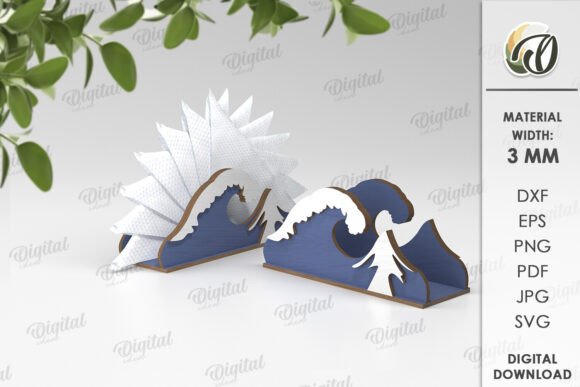
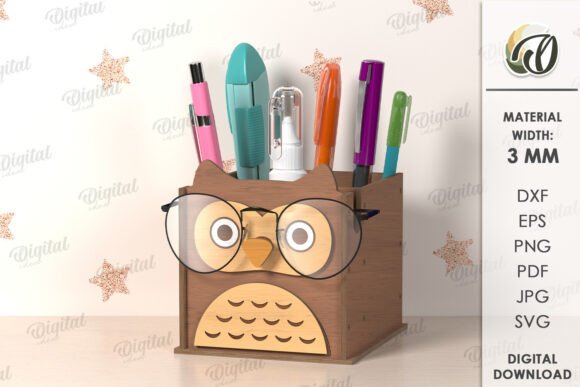
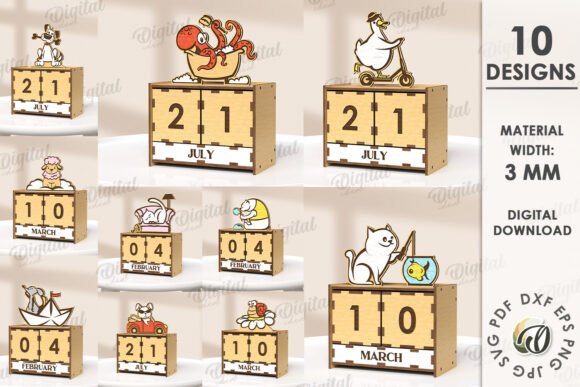
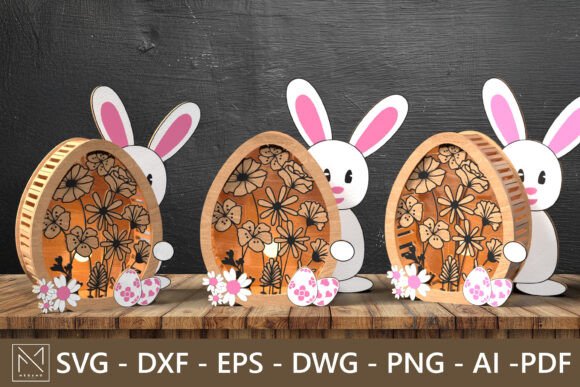
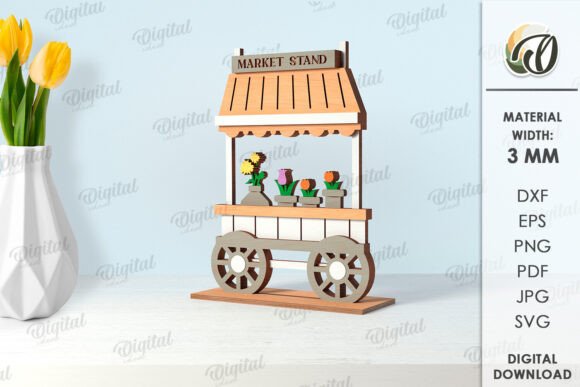
The product listing includes photos intended only for inspiration, yet many buyers ignore them or, conversely, expect an exact replica. These images serve as a guide for assembly order, color theory, and styling. Ignoring them means missing out on valuable cues about how the layers interact. For example, the photos might reveal that certain petals should be curled outward using a quilling tool or that specific elements benefit from being raised with foam tape rather than glued flat.
Use these visuals as a starting point, not a rigid rulebook. Analyze how light hits the sample in the photo to understand where shadows naturally fall. This observation can inform your choice of adhesive; using clear-drying glue versus double-sided tape can change the cleanliness of the final presentation. If you are unsure about an assembly step, refer back to the inspiration images to deduce the intended hierarchy of the layers.
Failing to Plan for Customization
Because this is a digital product, it offers unique flexibility that physical goods do not. However, many users treat the SVG as a static image, missing the opportunity to customize. You can easily ungroup the elements in your design software to change colors, remove specific flowers, or rearrange the layout to fit a different frame or box. Failing to explore these options means you are not getting the full value from your purchase.
Take time to experiment with the vector nodes. Perhaps you want to add a personalized nameplate to the base of the standing decor or change the flower types to match a specific seasonal theme. This level of customization transforms a generic template into a bespoke piece of art for your home or office. If you encounter technical difficulties while modifying the file, do not hesitate to reach out. Please write me a message if you have a question regarding file manipulation or compatibility.
Final Checks Before Cutting
Before you send the design to your cutter, perform a final review. Ensure all paths are closed, no stray points exist, and the layers are correctly ordered in your software. Verify that the cut settings match your chosen material. A rushed setup often leads to misaligned layers, which are difficult to correct once adhesive is applied. Patience during the digital preparation phase saves hours of troubleshooting during assembly.
By avoiding these common mistakes and approaching the 3D Flower Market Standing Decor with a strategic mindset, you elevate your crafting from amateur to professional. The goal is not just to assemble a kit, but to create an original design that reflects your personal style. Whether you are a small business owner looking to create unique inventory, a hobbyist decorating your living space, or a marketer designing promotional materials, understanding the nuances of this digital asset ensures satisfaction and quality results. Happy shopping, and enjoy the creative process.